
Hand Planes & Spokeshaves
Professional-grade hand planes and spokeshaves built for smooth surfaces and precise shaping. From bench planes to block planes, each tool is designed for comfort and control.
About Hand Planes & Spokeshaves
These tools shape wood the way it was meant to be shaped. No noise, no dust clouds, just steel meeting wood with control you can feel in your hands.
Hand Planes
Hand planes flatten surfaces, smooth rough boards, and trim wood to exact thickness. They cut thin shavings that leave surfaces ready for finish. Bench planes handle large surfaces. Block planes work on end grain and smaller pieces. Each type solves specific problems.
Spokeshaves
Spokeshaves shape curves and round edges. Chair legs, tool handles, boat parts – anywhere wood needs to bend smoothly. The short blade rides two handles, giving you leverage to work curved surfaces other tools can’t reach.
Why They Work
These tools give you direct feedback. You feel when the blade’s cutting right, when the grain’s fighting back, when the surface is true. That connection between hand and wood means better results and fewer mistakes.
What They Do Best
Final smoothing before finish. Fitting joints. Chamfering edges. Flattening glue-ups. Trimming doors. These aren’t rough work tools – they’re for when precision matters and machine marks won’t do.
Who Uses These Tools
Clean joinery and smooth surfaces without sanding through veneer or raising grain
Fitting doors, scribing baseboards, and tweaking pieces that need to fit just right
Craftspeople
Anyone who wants the finish quality and working experience that only hand tools provide
Hand Planes & Spokeshaves
Tools built for the work you do. Each one tested, refined, and ready to deliver results.
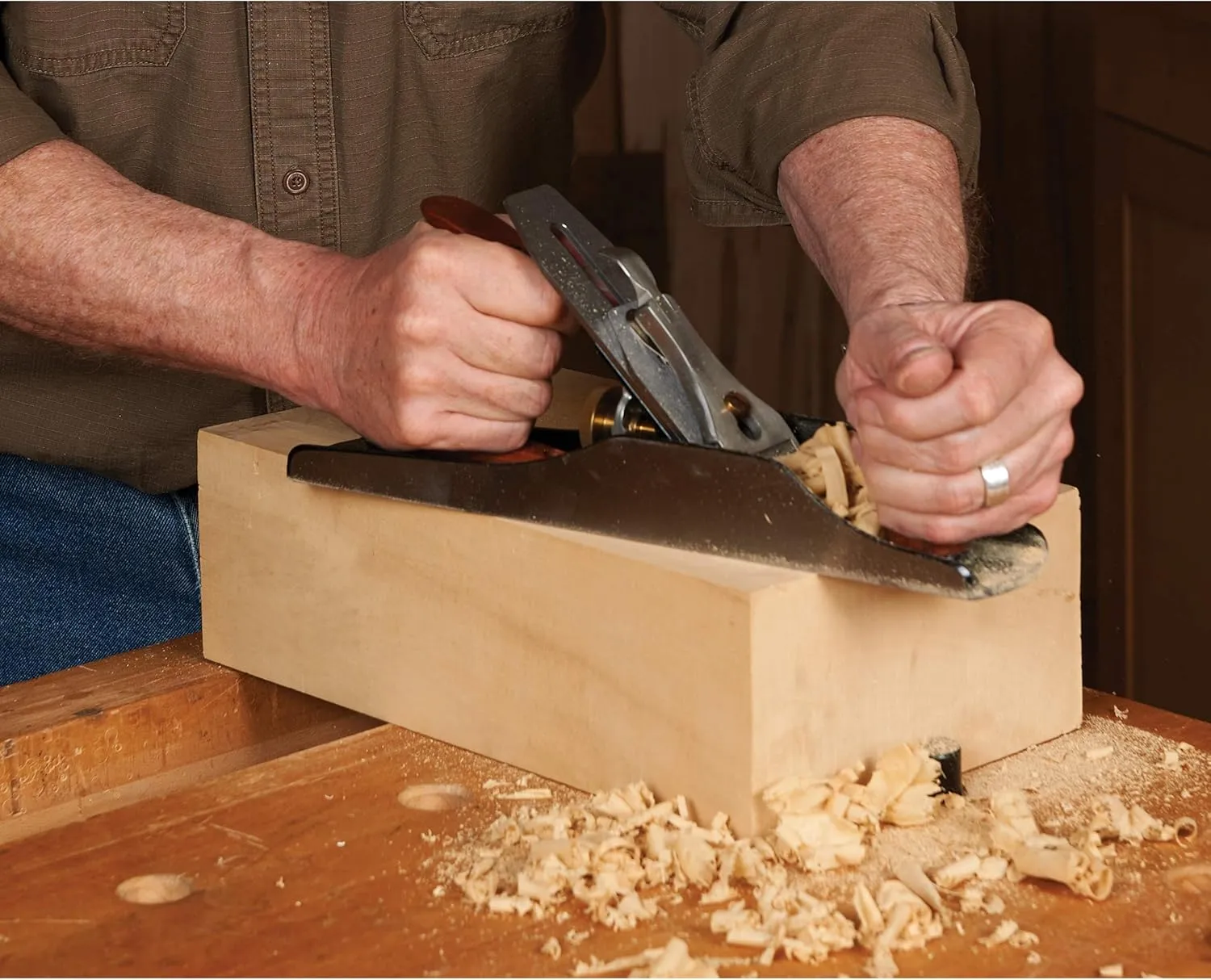
WoodRiver #5 Bench Plane V3
The jack of all trades. Handles rough stock prep and final smoothing. A solid first plane or workhorse for any shop.
Shop Now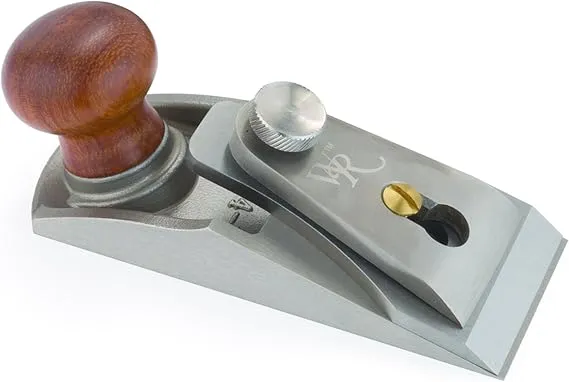
Small Chisel Hand Plane
Gets into tight spots other planes can’t reach. Perfect for cleaning up joints and working close to edges.
Shop Now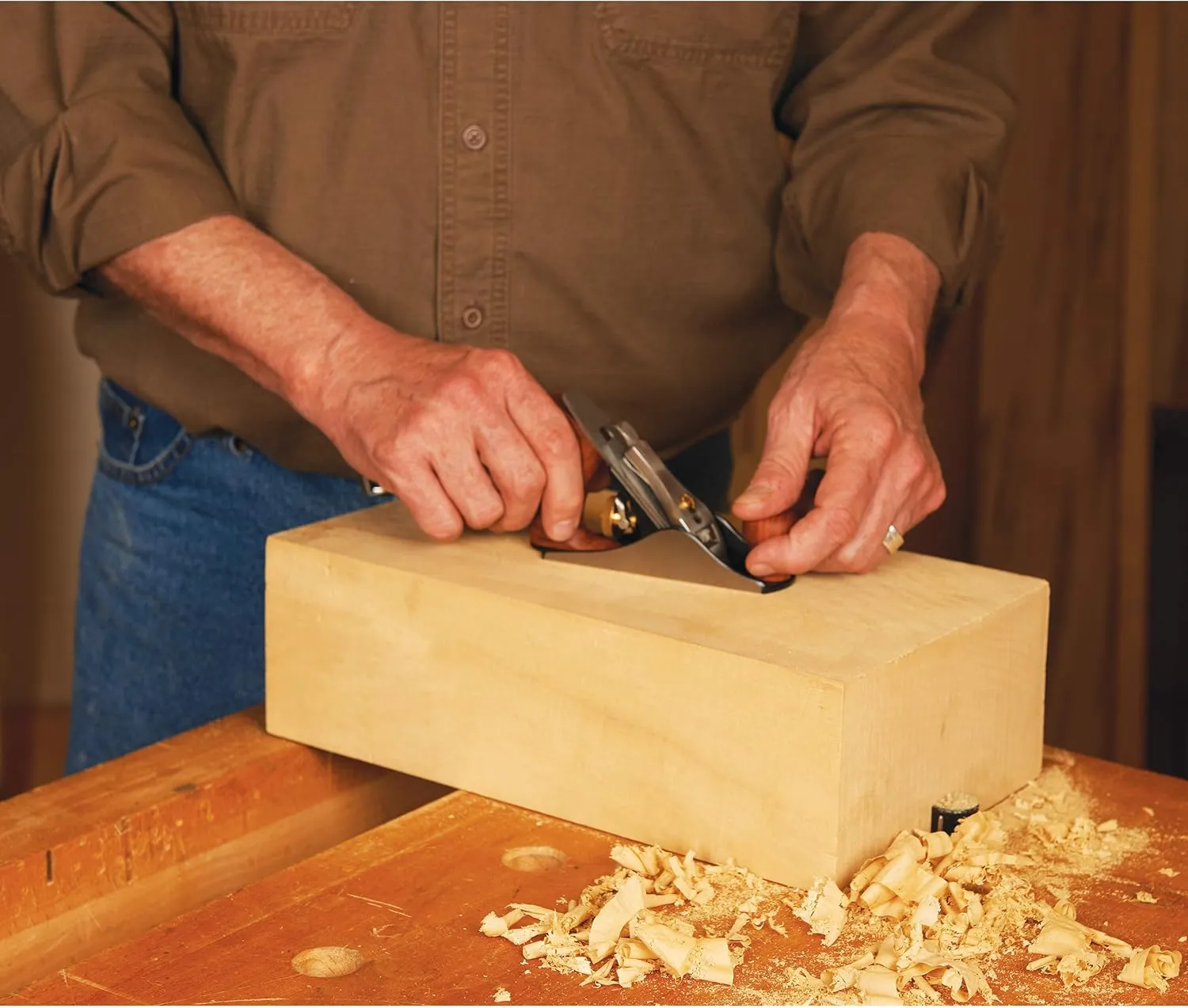
No. 4 Bench Hand Plane
The classic smoother. Takes surfaces from rough to ready for finish. Fits comfortably in hand for extended use.
Shop Now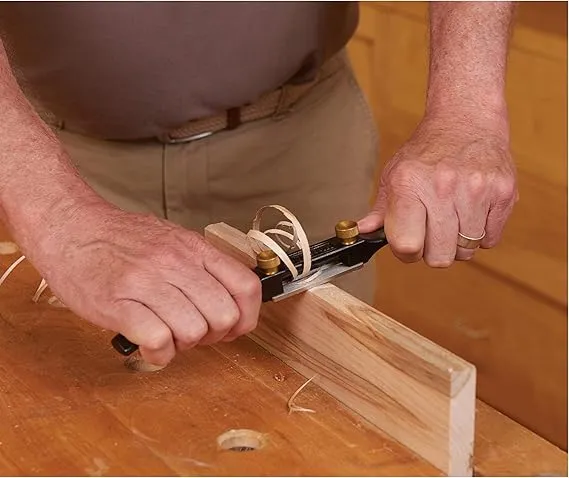
Adjustable Spoke Shave
Shapes curves and rounds edges with control. Adjustable throat lets you dial in the cut for different wood and grain.
Shop Now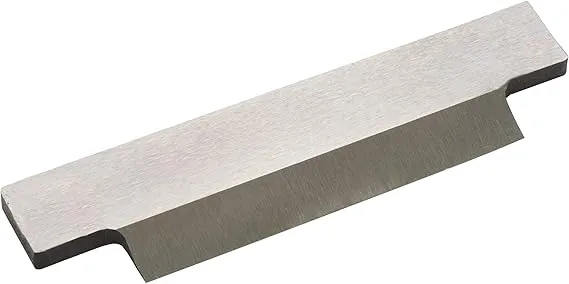
Replacement Blade for Spokeshave
Keep your spokeshave cutting sharp. Quality replacement blade maintains the edge you need for clean curves.
Shop NowCommon Questions
Everything you need to know about hand planes and spokeshaves before you buy.
Bench planes are bigger, heavier, and handle large surfaces. They’re held with two hands and excel at flattening boards and smoothing wide faces.
Block planes fit in one hand. They’re shorter, lighter, and work best on end grain, edges, and smaller pieces. Keep one within reach for quick trimming and fitting work.
A No. 4 or No. 5 bench plane. The No. 5 handles more tasks – it can flatten rough stock and smooth finished surfaces. The No. 4 is lighter and easier to handle for smoothing work.
If you work mostly with smaller pieces or need to trim end grain often, start with a block plane instead.
WoodRiver planes come with factory-sharpened blades that will cut wood out of the box. However, for best results, you’ll want to spend some time tuning the plane and touching up the blade edge.
This means flattening the sole if needed, adjusting the frog, and honing the blade to your preferred sharpness. It’s not difficult work, but it makes a real difference in how the plane performs.
Spokeshaves shape curves and round edges. The short blade and two-handed grip give you control over curved surfaces – chair legs, tool handles, Windsor chair arms, boat parts.
Planes work flat surfaces. Spokeshaves work everything else. If you shape anything that isn’t flat, you need one.
Depends on the wood and how much you’re cutting. Softwoods might give you an hour or more. Hard or abrasive woods might need touching up every 15-20 minutes.
You’ll know it’s time when the shavings start tearing instead of cutting cleanly, or when you need to push harder to get the same cut. A quick honing takes a minute and gets you back to work.
Not recommended. The glue in plywood and the fibers in MDF will dull your blade fast. These materials also don’t respond well to hand planing – they tend to chip and tear rather than cut cleanly.
Save your hand planes for solid wood where they excel. Use power sanders or other tools for sheet goods.
Basic planing – getting thin shavings and smooth surfaces – takes a day or two of practice. Understanding grain direction, adjusting for different woods, and handling difficult grain takes longer.
The good news is that hand planes give immediate feedback. You see and feel what’s working and what isn’t. That makes learning faster than you’d expect.