WoodRiver
WoodRiver is a high-quality tools and kits brand that provides woodworking professionals and hand tool enthusiasts with affordable, durable, and premium tools required for fine woodworking and precise craftsmanship.

Established in 2004, Woodriver’s main focus is to keep up the remarkable performance benchmark for all our products.

About Woodriver Tools
WoodRiver is an absolute woodworking tools and kits brand founded in 2004. The cornerstone for our tools and project kits is our uncompromising quality and exceptional performance. Our catalog offers a wide range of woodriver tools and woodriver project kits ideal for fine artisans to master their craft. We aim to deliver precise and reliable tools perfect for hobbyists and professionals alike. For a long time, woodriver has been the top most choice for skilled woodworkers and passionate experts in woodwork who look for cost effective quality with accessible price range.
Woodriver Tools & Kits

hand planes and spokeshaves
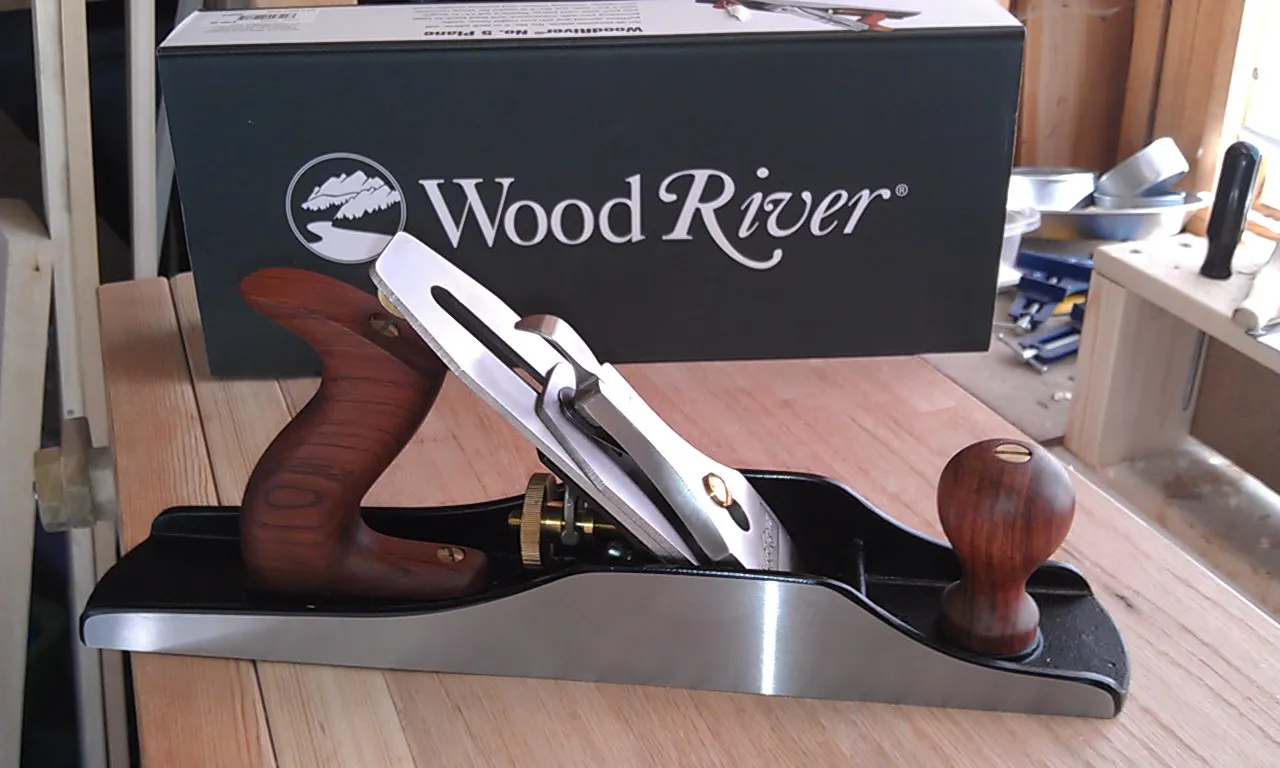
Woodriver hand planes and spokeshaves help to shave and smooth your projects with exceptional edge retention and performance. With precision machining we have improved the finish and functionality of our hand planes and spokeshaves. Our 5 ½ Jack plane is a must have for any woodworker out there.
View Details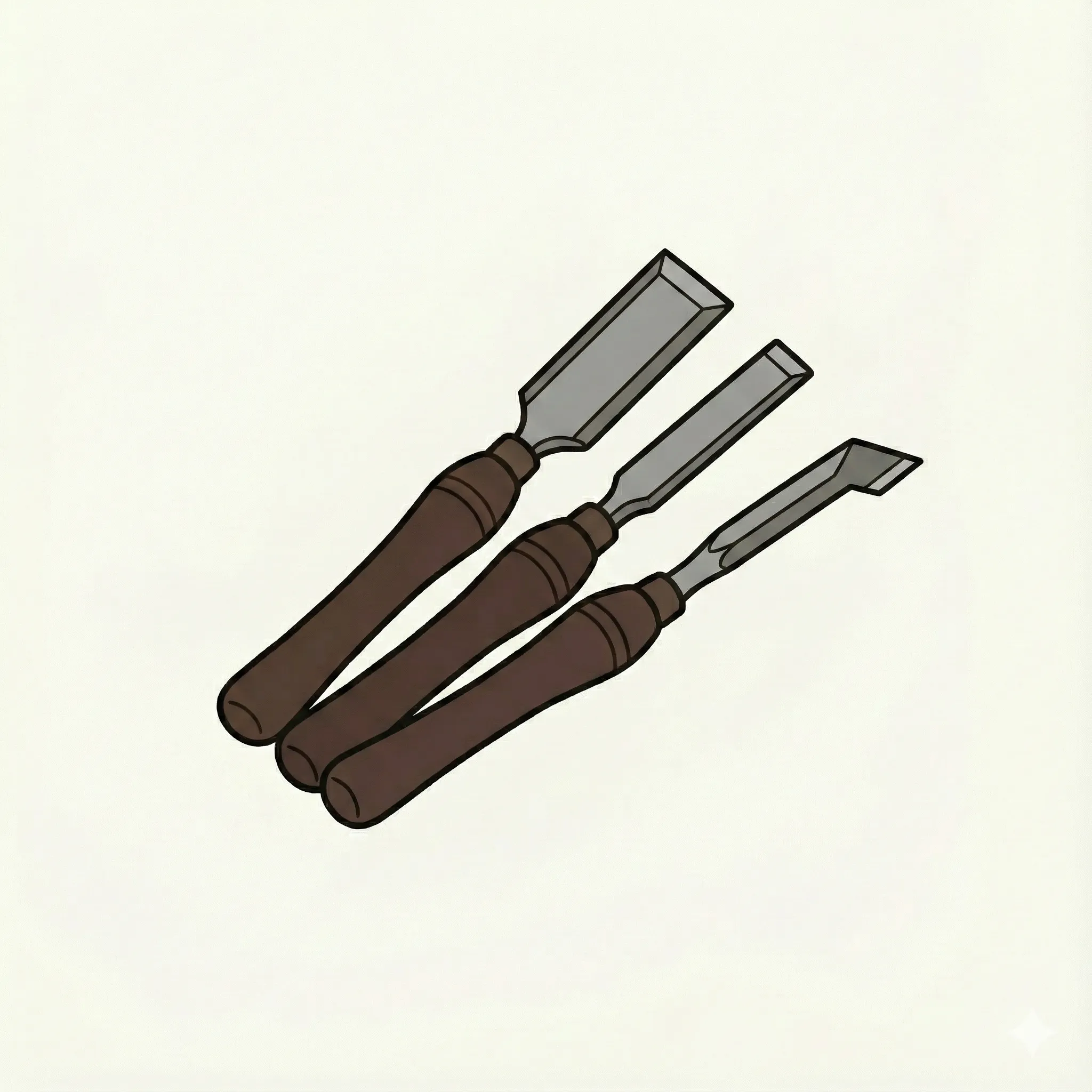
Chisels
Woodriver chisel sets are beautifully crafted and well designed for precision and ease. Our chisels offer remarkable sharpness and durability. The wooden handle gives comfort in usage and the steel ferrules provide strength.
View Details
Turning tools
Woodriver turning tool set is perfect for woodworkers of every expertise. Our turning tools feature high speed steel blades for superior strength and longevity. These blades stay sharper six times longer than carbon steel.
View Details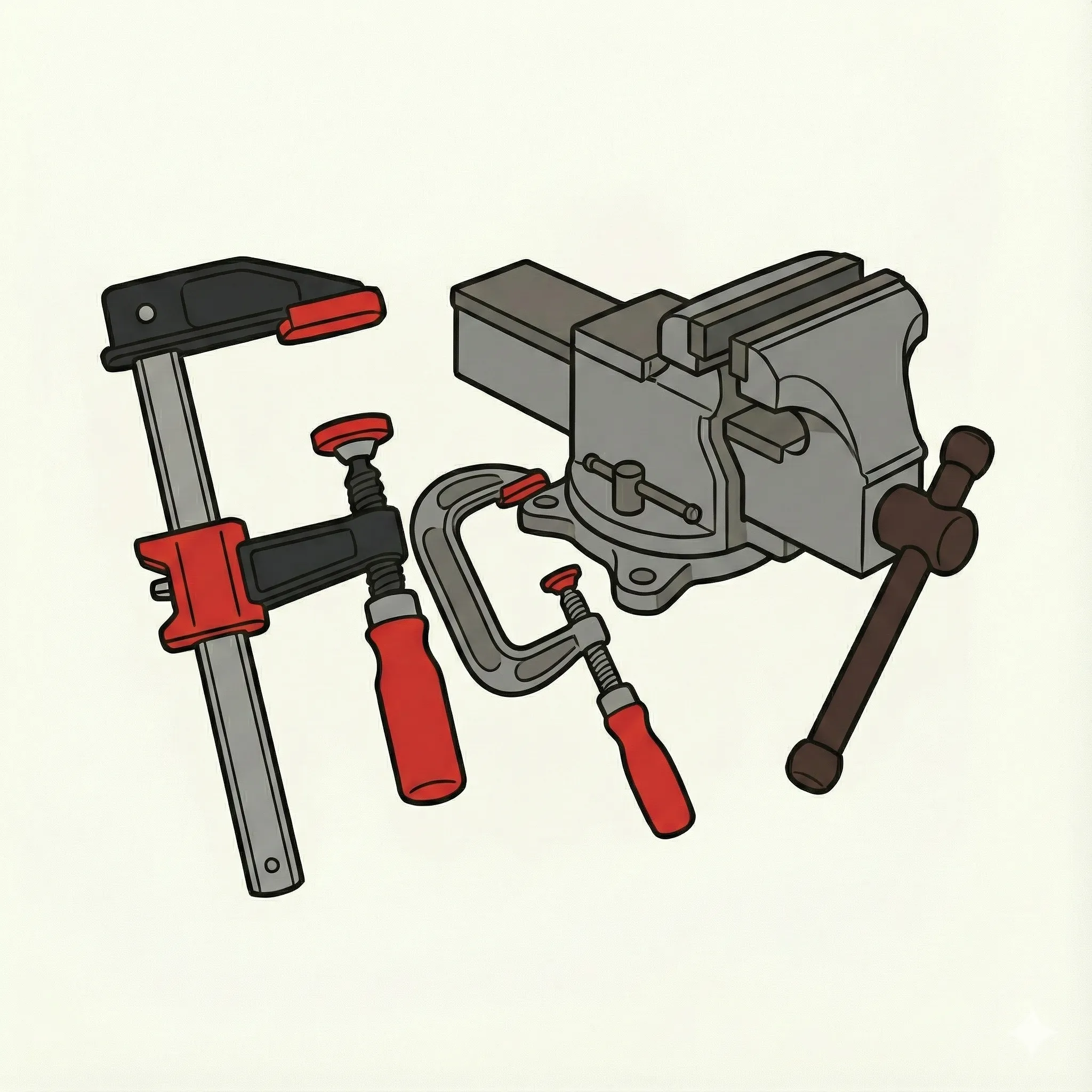
Clamps and Vises
Woodriver clamps and vises are built for stability and strength. They are great for woodworking, joinery, carving tasks, assembly, construction, maintenance and general purpose clamping. Our clamps and vises provide for secure and durable woodwork.
View Details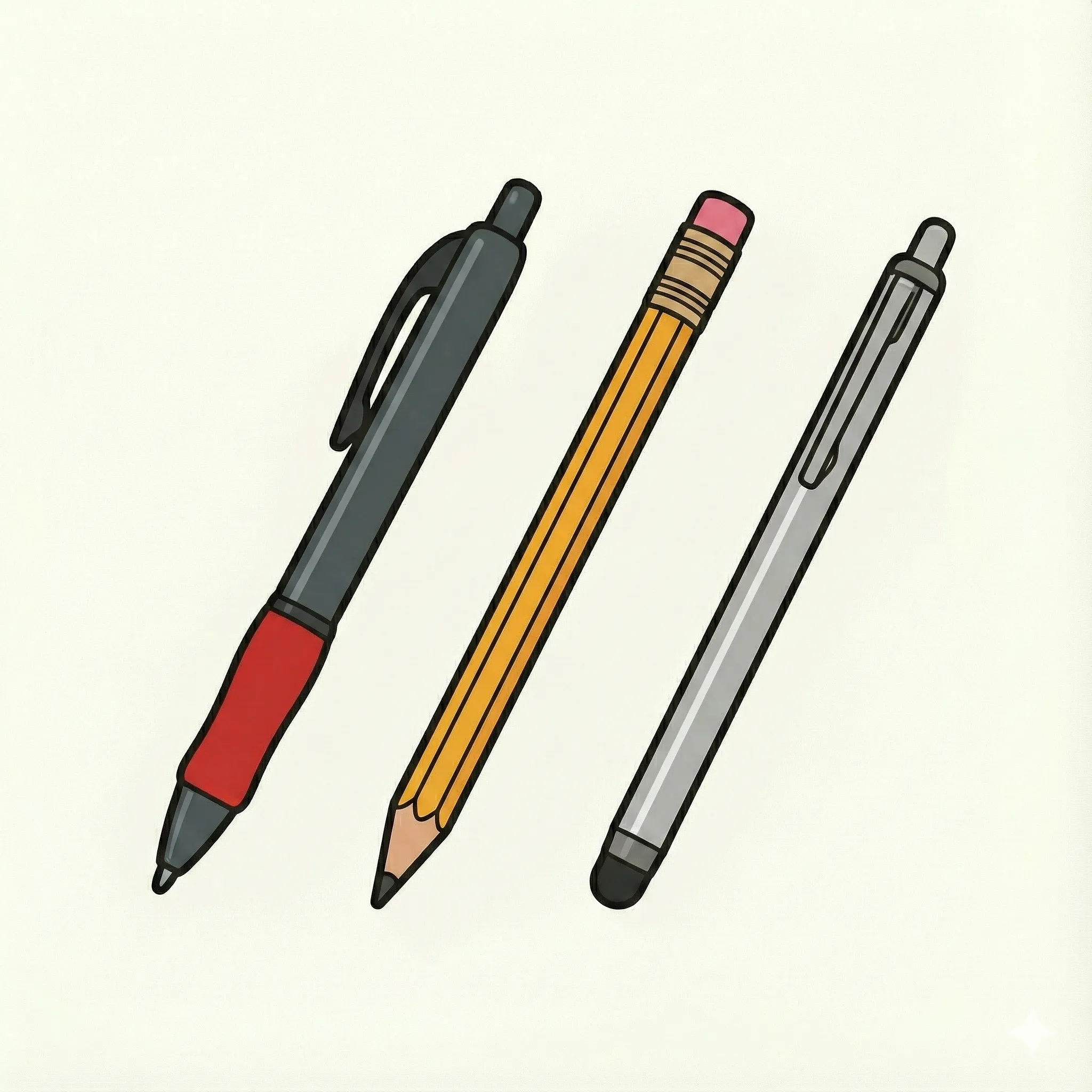
Pen, Pencil and Stylus kits
Woodriver pen, pencil and stylus kits make turning both amusing and fulfilling. The reliable twist mechanism offers an effortless writing experience. These kits represent great quality and utility.
View Details
Woodriver kitchen turning kits
Woodriver has come up with a number of kitchen utility tools and turning kits. Our catalog comprises of bottle opener turning kit, pie server turning kit, garlic press turning kit, coffee grinder kit mechanism, insulated beverage bottle kit, and much more.
View Details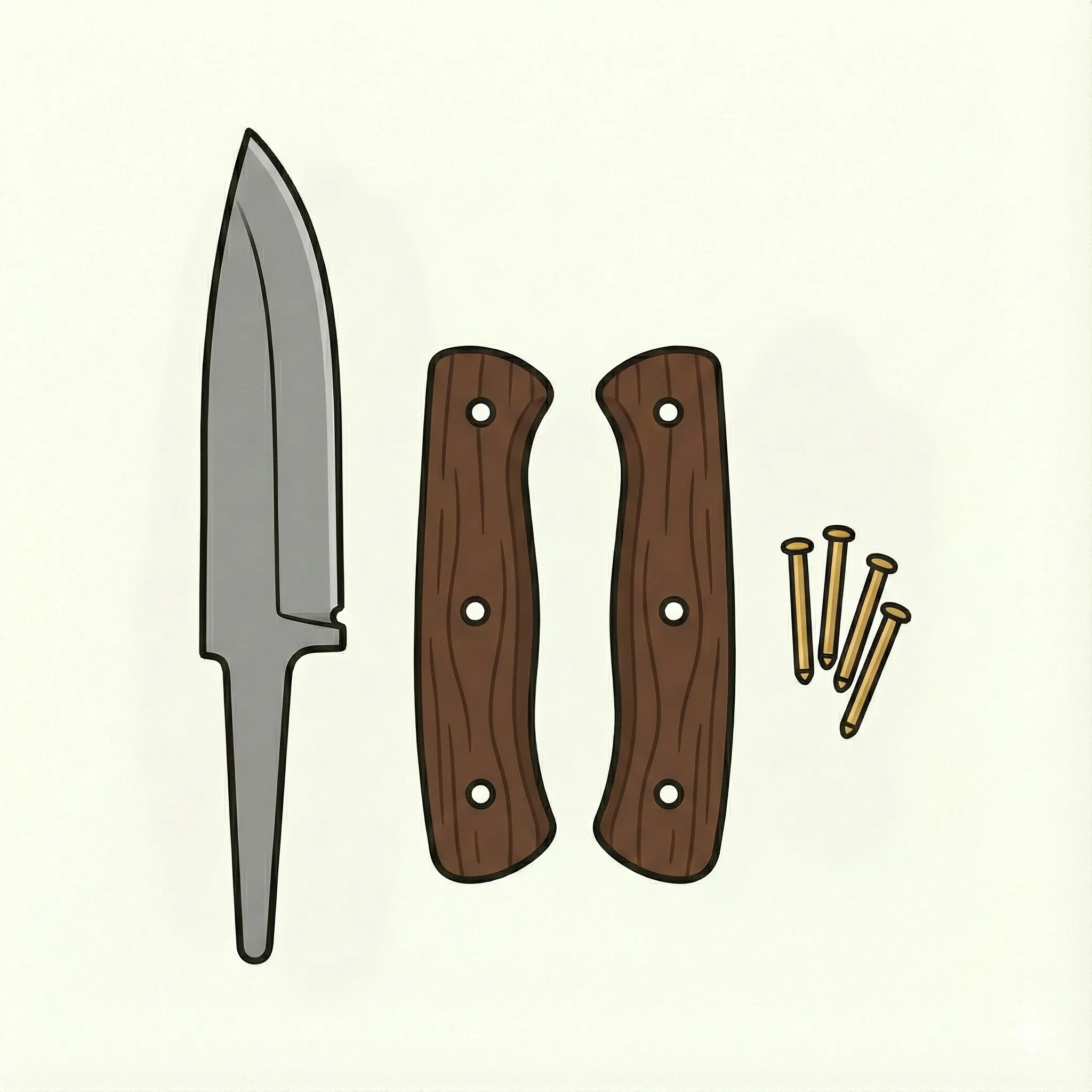
Woodriver knife kits and supplies
Woodriver has a variety of knife kits, among which the Kiridashi knife set, Ulu Savik knife, Ulu knife, Modified Fixed Blade Trailing Point Skinner knife kit and Fillet knife for hunting and fishing are famous pieces.
View Details
Woodriver dust collection systems
Woodriver has an excellent and efficient dust collection systems. They are essential for any well-organized workspace. Our dust collection systems help to maintain clean and systematic spaces. Especially our keyed bridged hose clamps deliver reliable performance.
View Details
Woodriver acrylic turning blanks
Woodriver turning blanks has a number of uses from pen making, handles, ornaments and decorative items to bowls and vases. Possibilities are endless with woodriver.
View DetailsWhy Choose Woodriver?
Exceptional precision machinery
Woodriver precise machined blades used in our hand planes, spokeshaves, chisels and more make our tools edge retentive and strong. They are meticulously machined for extraordinary accuracy and sharpness.
Consistent performance
Woodriver is consistently enhancing the tools and project kits for better performance. We are continuously working along our manufacturers to deliver outstanding articles for fine craftsmanship and skilled projects.
Durable quality
We offer premium steel, cast iron and quality wood in the woodriver catalog. The tools and projects kits are made durable with the conscious intention for them to last heavy use with minimum wear and tear for the years to come.
Economical
Woodriver offer easy on the pocket tools and kits for expert hobbyists and experienced professionals despite the premium quality and professional grade performance. We want to make woodwork tools accessible to everyone out there.
Diverse outline
We work to produce effective tools and kits for every member of the society. Our comprehensive catalog offers the same with reliable and easy to use tools which come with an instruction manual.
Store Locator
To locate offline stores near you which offer Woodriver tools and kits, we have a special feature. You can have easy access to any store near you through it.
WoodRiver Reviews
As an architect it was always a task to do precise woodwork according to customer satisfaction since good woodwork brings life into a space. Ever since I started working with Woodriver tools, not only my work became easier but also the projects turned out to be excellent. Always rooting for woodriver tools.
I am a professional cabinetmaker and I recently got the low angle block, no. 4 plane and no. 6 plane which could be any cabinetmaker’s ‘ultimate kit’ for exceptional craftsmanship and reliable performance. They make my work easier. Also the exceptional quality makes the woodwork look flawless.
As a single mom there was always some woodwork needed around the house and Woodriver made it easy with its fine and durable quality tools. There are instruction manuals with each of them making the work even more easy. Woodriver is truly a trusted brand and the products are value for money.
As a hand tools enthusiast I am always trying out different brands and their products. When I first tried the Woodriver 5 ½ plane, I was amazed with the smoothness and sharpness of it. The additional mass plane made flattening 4 pieces of pine such a quick job. Woodriver tools sure has some consistent results when it comes to creativity and design.
I am a beginner woodworker and initially I invested in a lot of products from different brands. I found Woodriver planes and turning tool kits have great performance with a decent price range but I am not so sure about their chisels, they have average performance as compared to chisels from other brands. Also woodriver screw extractor works well for me because as an amateur woodworker mistakes are undeniable.
I am a professional woodworking contractor and tools are the biggest investments in my profession. After hearing positive reviews from fellow woodworkers I invested in tools from Woodriver and the traditional woodworking supplies turned out to be of premium quality, durable and affordable. They give confidence in our craftsmanship. Investing in Woodriver tools was a great decision.
Frequently Asked Questions
All of Woodriver tools are manufactured in Asia primarily in China and Hong Kong, while our distribution is rooted in the United States.
Woodriver is known for its premium tools such as the planes and turning tool kits as well as for the project kits which offer exceptional performance and reliability within an economic price system.
Woodriver tools are easy to care for. Our tools do not require any specific guide to cleaning. You can easily remove the dust and debris with a small brush, wipe the metal surface with oil cloth to prevent rust and wipe the wooden handles with a damp cloth and then let it dry.
All of our products come with limited lifetime warranties against defects in materials and workmanship. This warranty applies for as long as the original buyer owns the product. But our warranty policy does not include wear and tear, misuse or lack of maintenance.
Yes, we offer a wide range of kits which are beginner-friendly. And all of our kits come with a clear instruction manual for better understanding.